

Samsung Z4 review: Another hard to recommend Tizen smartphone - SamMobile
I dearest my chore hither at SamMobile, and for the past couple of years, the simply fourth dimension I've rolled my eyes at something is when I've been asked to review Samsung'due south Tizen phones. The Korean giant has released four Tizen handsets since 2015, and each has been a strictly budget affair. The lack of apps has no dubiety been the biggest upshot for me, followed past the fact that these phones have extremely basic specs. Of grade, given the sub-$100 toll tags, yous tin't expect annihilation else, but reviewing these phones isn't an easy task, especially if yous get to use the much better Android phones from Samsung.
The Samsung Z4 just launched last month as the latest in the visitor's Tizen lineup, and with a great bargain of willpower, I managed to use it every bit my primary device for a couple of weeks. The Z4 has the same low-end specs as the Samsung Z2 that launched terminal twelvemonth, but as I noted in my hands-on, it carries a college price tag and has a design that is not as good equally the Z2'south. Where the Z4 prepare itself autonomously is on the software front – the Z4 is the first Tizen phone to run Tizen 3.0.
Samsung Z2 review: Strictly for first-time smartphone users
Tizen iii.0 isn't exactly a huge step-upward from previous versions equally far as user-facing features are concerned, but Samsung has built in a couple of behind-the-scenes upgrades to brand its in-house operating system more technically adept. Information technology's similar to what Android Marshmallow was to Android Lollipop, so a quick glance at the user interface would make you think this is the same as the one constitute on existing Tizen phones.
Merely how is the experience of using the Z4 similar? Does information technology do anything to brand Samsung'southward Tizen phones a more attractive option for those looking for a new budget phone, or are the low price tag and relatively polish and quick operating system once again the only highlights? Well, permit's find out in our review.
Design
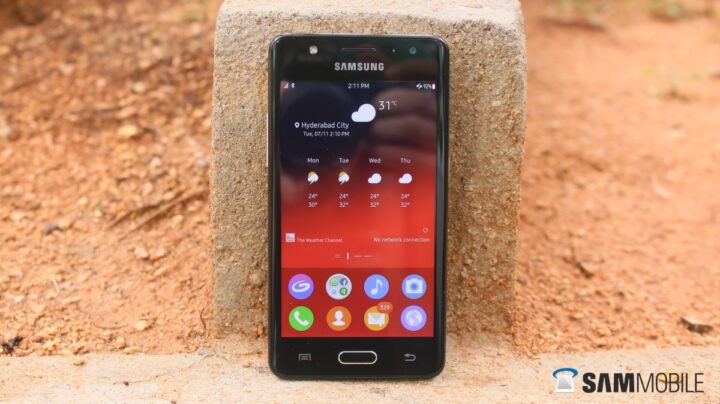
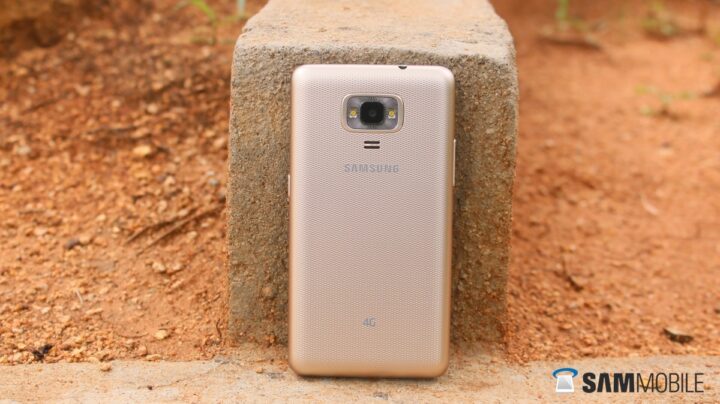
It will come equally no surprise that the Z4 looks exactly similar a run-of-the-manufactory budget telephone. It's also rather thick like the Z2, which, combined with its plastic (removable) dorsum panel, makes for a clunky feel in hand. It's non very heavy, thankfully, despite having a brandish that is 0.5 inches larger than the Z2's. Merely where Samsung has taken a noticeable step down from the Z2 is at the back of the phone.
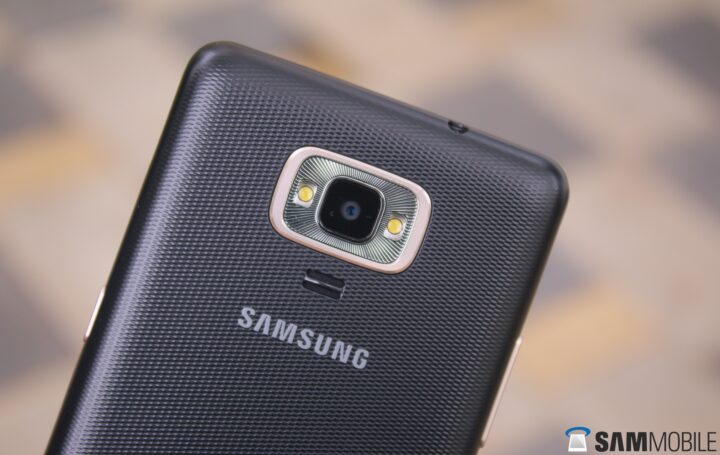
The surprisingly good-looking dotted pattern (specially on the red variant) that we saw on the Z2's back panel has been replaced by a like blueprint with bigger dots. I'm not sure if this is the result of the increased size of the phone, but at to the lowest degree on the aureate variant, it looks rather inexpensive. Making matters worse is this new pattern for the expanse surrounding the camera – it has multiple silver lines running outwards from the photographic camera lens, and fifty-fifty if yous switch to the blackness back console that comes costless in the box, this pattern ensures that the inexpensive expect doesn't go away. Again, for the higher price tag compared to the Z2, it'southward disappointing to see.
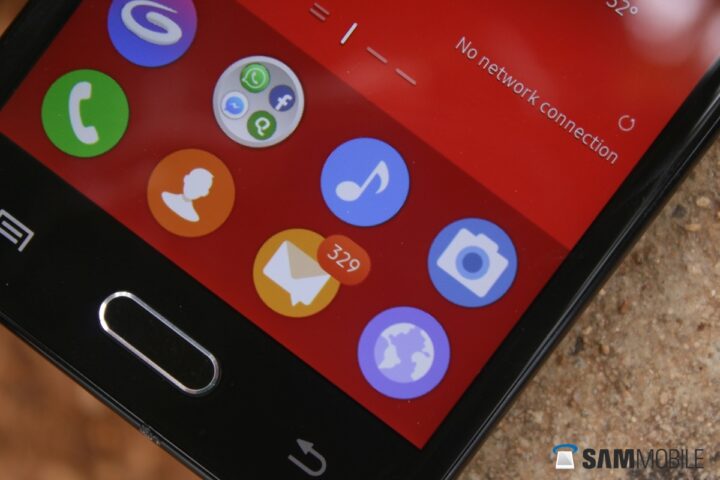
Similar all other Samsung smartphones except the Galaxy S8 and S8+, the Z4 gets the company'southward traditional hard home button, which is flanked past carte and back keys. The menu key continues to experience outdated and will exist a nuisance from folks used to any recent Android phone, and I'one thousand surprised Samsung hasn't opted to apply a multitasking key to keep the experience similar for those switching from its Android devices to its Tizen phones. Maybe it won't be too much of a problem for nigh, equally Samsung is targeting first-time smartphone users with Tizen, just it does feel like something from the past when you're using a Tizen phone.
Display
While the screen size on the Z4 has gone up compared to the Z2, it's nonetheless not as big as the Z3'southward 5-inch brandish. Only since the Z4 has a display resolution of 480×800 pixels and has an LCD console, the viewing experience is rather average. There'due south a dull look to everything as if Samsung increased the gamma levels, and colors look boring equally well. Pixelation in text is evident cheers to the low resolution. Viewing angles, thankfully, are perfectly fine. The screen's effulgence is besides sufficient exterior here under the Indian sun, simply y'all have manually increase brightness all the way up to full when yous footstep exterior, every bit at that place is no auto effulgence option.
But for a $90 phone, you can't expect much, unless you consider the fact that the Z3 with its 5-inch AMOLED display is now available at a price lower than the Z4. It doesn't have Tizen 3.0, merely it probable will go it as an update, while its other specs are like to the Z4'south. So again, if the pricing history of previous Tizen devices is anything to go by, the Z4'due south toll is likely to drop down well below the Z3's in a couple of months. In any instance, the telephone has a bones brandish that gets the job done, simply it would have been nice to encounter a slightly higher screen resolution.
Camera
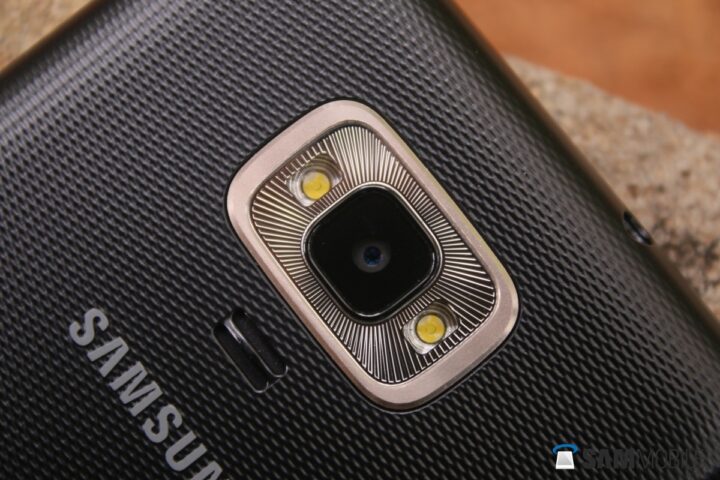
With 5-megapixel shooters at the front and back, the Z4 isn't geared at taking great photos. Let'due south talk nearly the rear camera first. To be off-white, the Z4 doesn't do bad for a sub-$100 phone with a 5MP sensor. Photos take considerable detail despite the low-resolution sensor, and it's but when you outset zooming in on photos does the softness creep in. Particular is college in subjects captured up close, although the photos do have a drab look, both on the phone'south brandish and on a monitor. Just look at the photo of the lotus to run across what I hateful.
I was impressed by how the HDR mode works on the Z4. Yous accept to enable it manually, and the phone takes effectually two seconds to salvage HDR shots, but the end result manages to exist quite proficient. See the sample of the building against the sky downwardly below; the Z4 doesn't blow out the clouds while maintaining a fair amount of detail on the building. Of form, depression-light is where the telephone gives up. Focusing on subjects becomes a time-consuming affair, and fifty-fifty when focus does catch on, there is next to no detail. It's not surprising, though, equally shooting in low light is something most every budget phone fails at, even with higher-resolution sensors.
Check out these samples from the rear camera:


The selfie camera, meanwhile, is simply slightly above average. Outside during the mean solar day, while there might non be a lot of detail, photos don't come out likewise soft, either. Indoors and in artificial lighting at night, however, fine detail all but disappears. Thankfully, the LED wink at the front (it's not an actual wink, but a standard light that stays on until you plow it off) manages to make things slightly better as far as detail is concerned. Colors manage to await somewhat appealing also, and overall, the front camera isn't bad for the Z4'due south asking price.
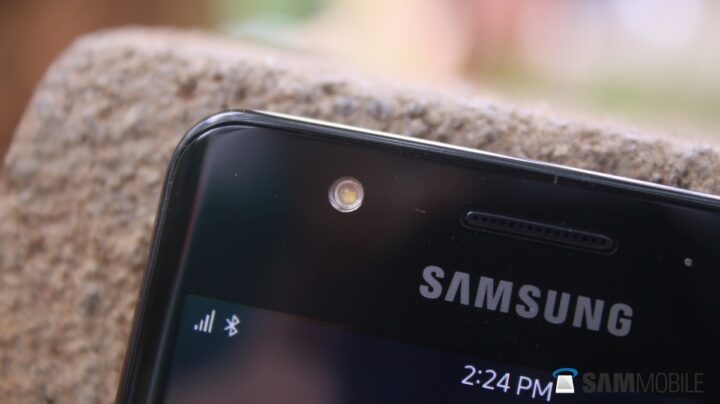
Similar Samsung's higher-end phones, the Z4 offers a few ways of capturing selfies without reaching for the shutter button. There's vocalization control (which likewise works for the rear camera), so yous can shout out cheese or smile to take a selfie, followed by gesture control, which allows you to hold out your palm in front of the camera to have your movie taken. You tin also enable the option to take selfies past tapping anywhere on the screen. Naturally, beauty fashion is included; it's set at ii by default, so if you aren't a fan of artificially cleaned upwardly selfies, it is best to set it down to 0.
Here is a selfie sample:
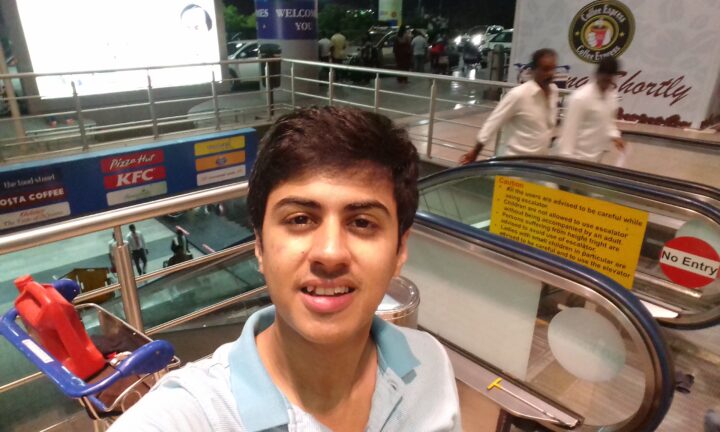
Samsung has even congenital in the ability to swipe up and down on the screen to switch betwixt the front and rear camera, some other feature that can be seen on its Android devices. Of course, double pressing the home button to launch the photographic camera app works, also. Shooting modes on the rear camera include panorama, beauty face, dream shot, nighttime, continuous shot, moving-picture show collage, fast motion, and something called video flip. I'm non sure what video flip does. Videos recorded unremarkably and in video flip mode looked the same to me, and I didn't spend much fourth dimension trying to find the difference.
Dream shot lets y'all put the scene you want to capture in and around different subjects. For example, 1 template puts the photograph you lot have in the centre of the moon, while another makes information technology look like you're walking out of a tunnel towards the Taj Mahal. It's funky stuff, and I'm certain some folks will have fun using the various templates available. Other modes do what their names suggest; night style is useful in really dark conditions, as it does manage to wring out extra calorie-free when you demand information technology.

For the front camera, the shooting modes include wide selfie, dream shot, interval shot, moving picture collage, and video flip. Interval shot is an interesting one hither. It takes 4 selfies at intervals of two seconds, and y'all can save the best ones of the lot and discard the rest. Meanwhile, wide selfie, which is a panorama mode for the front camera, is useful when you have a grouping of people that won't fit in the frame at once.
Software
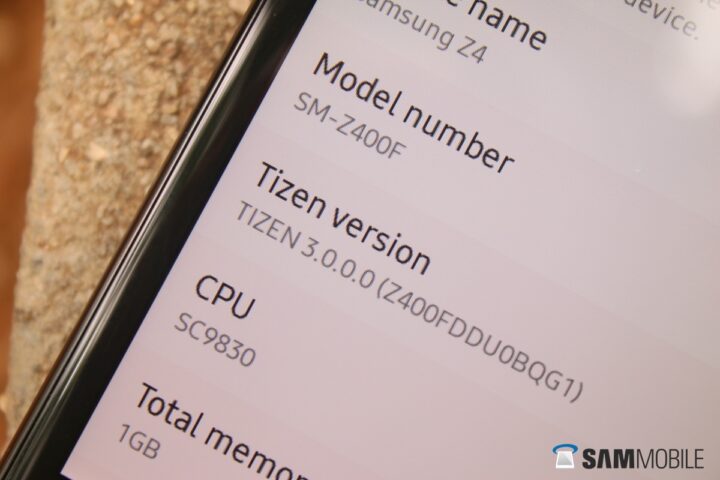
If you take read our reviews of Samsung'due south previous Tizen devices, yous are probably enlightened that Tizen looks quite similar to Samsung's customized version of Android. But, in that location are a few differences that prepare information technology apart, starting from the dwelling screen. On Tizen, the home screen comprises of a dock with eight app shortcuts, and accessing the app drawer is done by swiping upward from the bottom of the screen. The notification shade is the aforementioned as on Galaxy phones, showing quick toggles and app notifications when y'all open up information technology past swiping downwards from the top of the display. But icons in the status bar are reversed, so you meet things like Wi-Fi and Bluetooth icons on the left and icons for app notifications on the right, with the time shown in the middle.
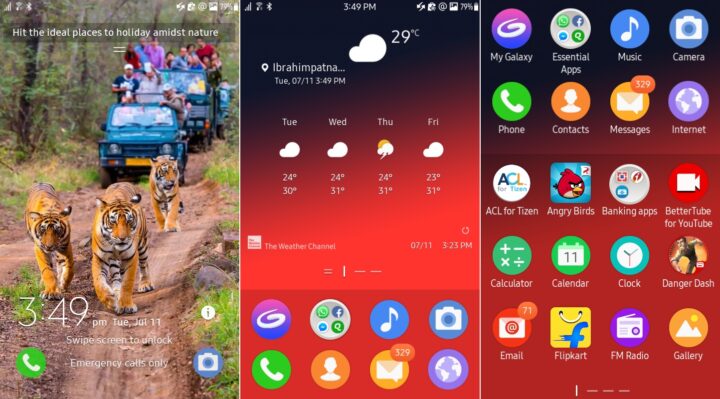
A slew of features that are offered on Milky way devices is available on Tizen. The list includes stuff like Southward Bike Mode (read details on how Due south Bike mode works hither), Individual Way, Ultra Data Saving Style, and support for themes. Tizen's theme support is pretty all-encompassing. Y'all can separately alter the home screen icons, the wallpaper for the home and lock screen, and lucifer the interface color of inbuilt apps with that of the dwelling screen wallpaper. Y'all can, of course, just switch between themes instead of customizing things manually, and Tizen offers both first-party and tertiary-party themes to choose from. Oh, and a groovy touch that Tizen 3.0 brings is that the lock screen wallpaper changes every time you wake up the phone. These wallpapers are tailor-fabricated for India, and in some instances, Samsung offers insight on the wallpaper's subject. These wallpapers are of loftier quality, likewise, and it'south but the depression brandish resolution that lets them down.
Not a lot has changed on Tizen since the Samsung Z2, despite the OS getting a major version upgrade. As said before, nigh of the changes are nether the hood, so for a more detailed await at the software, check out our Samsung Z2 review.
Apps
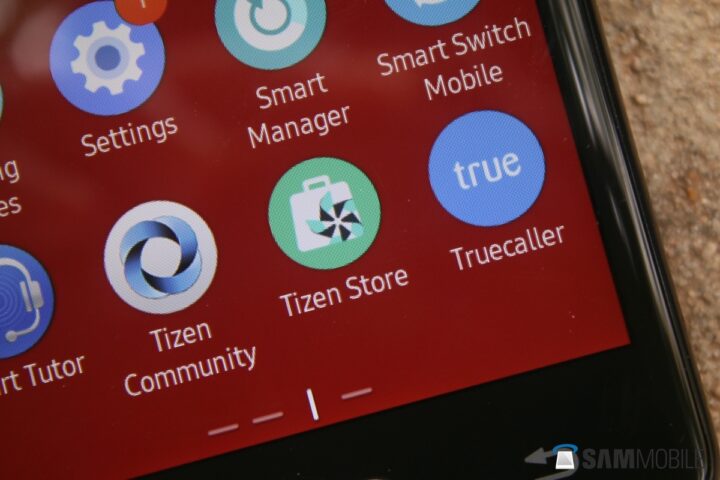
In one case again, information technology is app support that needs to be talked about when nosotros're talking about Tizen. Well, while things have gotten better over the terminal couple of years, Tizen notwithstanding doesn't offer an app feel anywhere near that of Android. There are quite a few alternatives to pop apps, and showtime-political party versions of popular apps like Facebook and Instagram exist, but none offer the same level of functionality equally their Android counterparts. I besides found the native Facebook app to accept issues. Basically, the app refused to update content for three days straight despite numerous attempts to refresh the feed, and this is probable because of these apps not being properly updated for the newer version of Tizen.
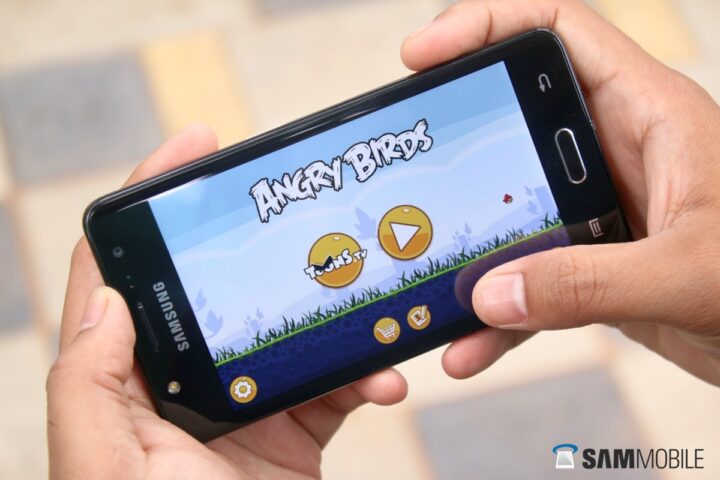
The best 3rd-party app I found was BetterTube for YouTube. Information technology's a native app that opens YouTube in a browser view but adds numerous features on top, like easy rotation of the video and signing in to and browsing through YouTube. At that place are besides a few official games available, both every bit native apps and those that emulate the Android versions. The original Angry Birds runs great, and so does this game called Danger Nuance, which is pretty much Temple Run in a dissimilar setting. Mod Gainsay five, i of the virtually graphically demanding games for Android, too runs well, although there was some issue with textures (things visible through walls, black spots in some places, etc.) Of course, Angry Birds, Plants vs Zombies, and similar titles are rather outdated at this point, but overall, the selection of games on Tizen is pretty expert for passing abroad the time.
Tizen phones are bought by people on a budget, and many of them don't always have a good information program at mitt. Samsung knows this, and has congenital in a neat option that lets you lot save the installation files for apps on the device when you download them from the Tizen store. You can so share these with others, who simply need to download one per centum of the total app from the store. But the matter is, quite a few of import apps are withal missing on Tizen. At that place is no Uber app, Google only offers a basic search app, and some apps as well run in a bones web format. The lack of Google apps is the worst, as I was severely express by the things I could do when I used the phone as my primary device.
As we take said earlier, Tizen's app issue tin can only exist solved if the OS is offered on more than devices, and especially ones that accept higher-terminate hardware. But with Android and iOS' duopoly, selling college-end Tizen phones will exist a tough task, and it volition remain the chief reason why many app developers volition look elsewhere. Tizen, therefore, once again stands to be an Bone for those starting with a smartphone for the beginning time. The back up for emulating Android apps has helped its case, with apps like MX Player making their way to Tizen, only it's not enough to make Tizen a competent alternative.
Performance and Sound Quality
If there'south ane highly positive thing about Samsung'due south Tizen phones, it's the performance they offer for the asking cost. As with previous devices, in that location is a slight delay between you tapping on something and the telephone responding to it, simply Tizen manages to run very smoothly across the user interface and inside apps. Basic games also perform well, and Samsung'south browser does a corking job at loading even heavy websites.
Audio and phone call quality is where the Z4 falters. The loudspeaker'southward volume doesn't become very high, which is in stark contrast to the speaker on last yr's Z2. Any slightly noisy environment will have you straining to hear what'south playing on the phone, and getting the earphones (which are besides rather basic) out whenever possible is the best way to get around it. The speaker is too tuned towards the higher frequencies (treble); the depression and mid frequencies lose punch as a result, and overall, the audio quality over the speakers isn't great.
Worse than the sound performance is the Z4's call quality. I'm not certain if it was an issue with my unit, simply I suffered network bug numerous times. While the telephone would show full network strength, information technology would be impossible to hear what the other person was saying at times. This extended to both ends of the telephone call, and it was apparently irritating every fourth dimension a call would come in. Thankfully, LTE performance was peachy, and I had no bug with browsing or using other apps over the internet with Wi-Fi turned off. Merely the poor telephone call quality is a big business concern, especially since quite a few folks would tend to purchase a Tizen telephone as a secondary device for calls.
Battery Life
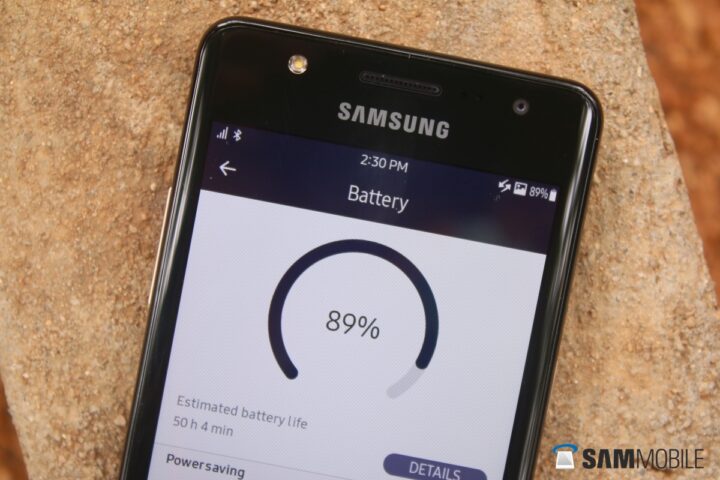
The Z4's 2,050 mAh bombardment is bigger than the Z2's merely smaller than the Z3's, and in regular usage, it manages to offer nearly two days of battery life with 2 active SIM cards. Bombardment life was and then stable that I never went in to the bombardment settings to run across battery stats. Using the phone every bit a mobile hotspot for my second device was the only time that I would need to worry about the battery running out, but at other times, the Z4 keeps at it for at least a day earlier you need to connect it to the charger. Naturally, Tizen'southward lightweight nature and the phone'south meager hardware help with battery endurance, and like the phone's software performance, battery life is another highlight for Samsung's newest Tizen device.
Conclusion
Strictly for first-fourth dimension smartphone users. That was the tagline I used for the Samsung Z2 when I reviewed information technology terminal year, and I would do the same for the Z4 if I could. While the app scene has gotten improve and all Tizen phones take offered impressive operation, they just aren't worth information technology for anyone who isn't on a very tight budget, looking for a secondary device, or switching from a feature telephone for the first time. Android alternatives in the aforementioned price range may non come from large manufacturers similar Samsung, only if you can live with the risk of lower hardware quality, cheap Android phones are a better choice over Samsung's Tizen devices.
Quite a few folks accept wondered when Samsung would bring Tizen to a loftier-end device, and I'm afraid the reply is that it could be a long, long time before the Korean giant makes that move. As a platform intended to work across a wide diversity of product categories, Tizen makes sense. Equally a smartphone OS, even so, Tizen is a fiddling chip too tardily to the party. The fact that Tizen runs on extremely depression-end hardware means app developers would encounter no signal in putting resources into making native apps, unless Samsung decides to start paying developers for the same, a motion that didn't work out great fifty-fifty for Microsoft's Windows Phone operating system.
Simply then once more, maybe Samsung is happy sticking to the lowest rung of the budget market with its in-business firm OS. Tizen phones have been flying off the shelves ever since the first handset was launched, and they act as an affordable stride into the smartphone world for consumers who are withal using feature phones. They become basic tasks done quite well, and their performance would also put some costlier Android devices to shame. The aforementioned is true of the Samsung Z4, and similar I said earlier, the device is simply recommended for those on a tight upkeep, those looking for a secondary phone for calls, and for those who want to stay upwards-to-date with what Samsung is doing with its proprietary mobile operating system.
| Pros | Cons |
| Smooth operation considering the hardware | Phone call quality is poor |
| Great battery life | Unattractive pattern |
| Cameras perform well in good lighting | Irksome display |
| 4G LTE support | Tizen still lacks a good app ecosystem |
| Low loudspeaker voulume |

Source: https://www.sammobile.com/2017/07/10/samsung-z4-review
Posted by: hallfraidess.blogspot.com
0 Response to "Samsung Z4 review: Another hard to recommend Tizen smartphone - SamMobile"
Post a Comment